Creating a Luxurious Atmosphere at Home Through Fragrance
Not every fragrance delivers the same effect, however.
Characteristics of High-End Home Fragrance
- A gradual scent evolution throughout the day
- Multiple fragrance layers rather than a single dominant note
- A noticeable yet unobtrusive presence
- A blend of freshness, warmth, and softness
- Natural-smelling compositions that avoid harsh synthetic impressions
Fragrance Profiles That Elevate Interior Spaces
Rich Woods and Earthy Notes
Wood-based fragrances have long been associated with elegance and comfort.
Notes like:
- Sandalwood
- Cedarwood
- Santal wood
- Oud
These notes introduce warmth, texture, and depth, making them particularly suited to:
- Lounges
- Bedrooms
- Libraries
- Open-concept living areas
Their popularity stems from their ability to create a calming atmosphere reminiscent of boutique hospitality environments and luxury wellness spaces.
Amber-Inspired and Musk Blends
Amber and musk fragrances bring a sense of understated richness to an interior.
They are often chosen for their ability to create:
- Comfort
- Warmth
- Softness
- A welcoming ambience
Without becoming overwhelming.
Contemporary interiors frequently incorporate white musk, skin-inspired accords, and gentle resin notes because they provide depth while maintaining a clean aesthetic.
Green and Botanical Aromas
Luxury fragrance does not always rely on rich or intense notes.
Many beautifully designed homes embrace fresher scent profiles that feel natural and balanced.
Examples include:
These fragrances help create an environment that feels:
- Fresh
- Airy
- Relaxing
- Modern
- Spa-inspired
They are particularly effective in kitchens, bathrooms, and entryways where a sense of freshness is desirable.
The Growing Popularity of Fig
Fig has become a standout fragrance note in contemporary home scenting.
Its appeal lies in the way it combines several characteristics at once:
- Creamy undertones
- Green freshness
- Gentle woodiness
This combination creates a fragrance profile that feels clean, modern, and quietly luxurious, making it a favourite in minimalist and design-conscious homes.
Smoky and Resin-Led Fragrances
For those looking to create a more dramatic atmosphere, smoky compositions offer depth and character.
Common notes include:
- Incense
- Tobacco
- Leather
- Birch
- Smoked woods
These fragrances are often used in:
- Dining spaces
- Reading areas
- Evening entertaining rooms
- Seasonal autumn and winter interiors
When balanced correctly, smoky fragrances feel sophisticated and enveloping rather than heavy.
Why Fragrance Layering Enhances a Home
A growing trend in home scenting is the use of different fragrances throughout various parts of the home.
Instead of relying on a single aroma everywhere, homeowners are creating distinct scent experiences by using:
- Fresh fragrances in transitional spaces
- Richer aromas in communal areas
- Relaxing notes in bedrooms
This approach creates a more memorable and cohesive sensory journey.
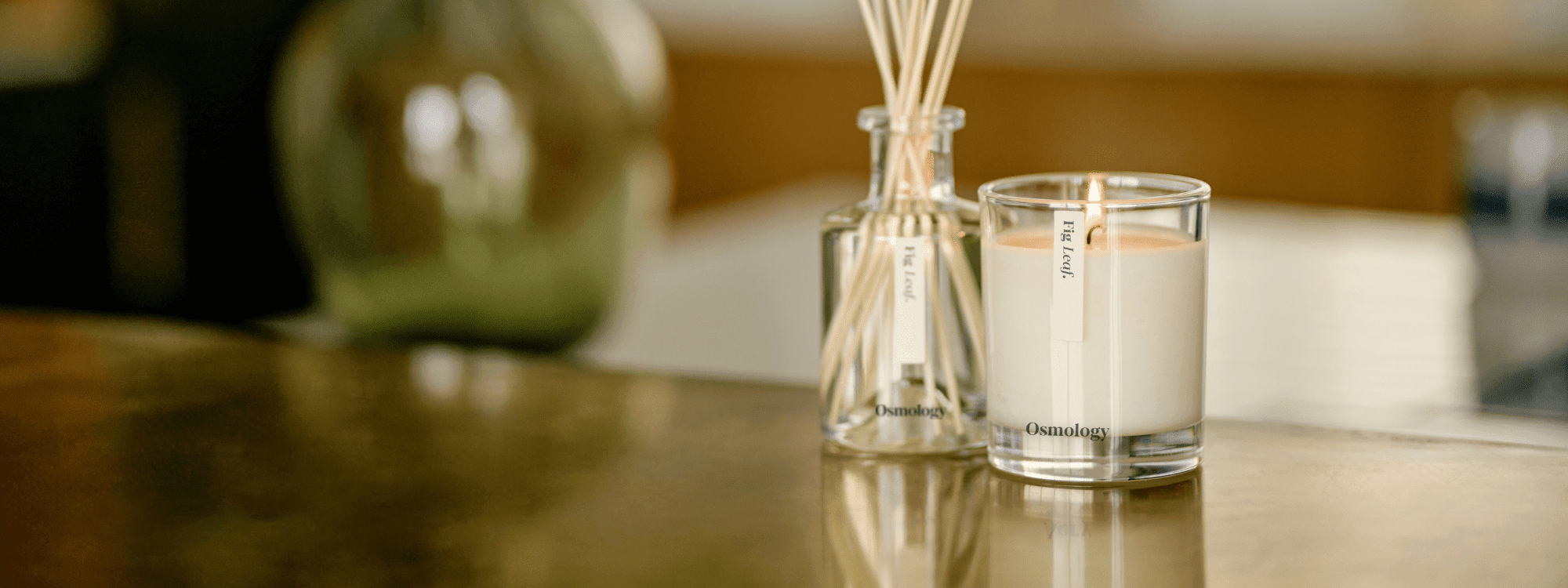
For those new to fragrance layering, combining coordinating candles, reed diffusers, and room sprays from complementary scent families is often the easiest place to start.
Using multiple fragrance formats can also improve both scent longevity and overall depth.
Choosing Fragrance by Room
Living Areas
Shared spaces generally benefit from fragrances that feel balanced and welcoming.
Popular choices include:
- Sandalwood
- Amber
- Fig
- Cedarwood
- Soft spice blends
Bedrooms
Rest-focused spaces often work best with softer fragrance profiles.
Suitable options include:
- Lavender
- Santal wood
- Geranium
- Chamomile
- Sandalwood
Entrance Areas
Hallways and entry points create a home's first impression.
Fresh woods, linen-inspired fragrances, and green notes can help establish a welcoming atmosphere without feeling overpowering.
The Value of Subtlety
One misconception surrounding home fragrance is that stronger scents automatically feel more premium.
In reality, many luxury environments use fragrance with restraint.
A well-balanced scent can:
- Enhance a room without dominating it
- Develop naturally over time
- Feel polished and refined
- Support the overall design aesthetic
The objective is often to create a positive emotional response before visitors consciously identify the fragrance itself.
What Scents Do Luxury Hotels Use?
Luxury hotels often favour fragrance notes such as sandalwood, white musk, cedarwood, amber and soft florals because they create a welcoming atmosphere without overwhelming guests. Many high-end hospitality brands use signature scents as part of their customer experience, helping reinforce a sense of comfort, quality and exclusivity.
Fragrance Is Now Part of Interior Design
In 2026, home fragrance has become fully integrated into how people style and experience their homes.
- Shape mood
- Define routines
- Support wellbeing
- Soften minimalist interiors
- Create emotional connection to spaces
Fragrances Commonly Used in Luxury Hospitality
Many upscale hotels incorporate signature scent programs to strengthen brand identity and guest experience.
Frequently used fragrance notes include:
- Sandalwood
- Cedarwood
- White musk
- Amber
- Soft floral accords
These compositions help create an environment that feels comfortable, welcoming, and exclusive without overwhelming guests.
Fragrance as a Design Element
By 2026, fragrance has become a recognised component of holistic interior design.
Home scent is now used to:
- Influence mood
- Establish daily rituals
- Enhance wellbeing
- Complement minimalist interiors
- Strengthen emotional connections to spaces
Many interior professionals now view fragrance as part of a complete sensory design strategy alongside lighting, materials, acoustics, and texture (Architectural Digest: https://www.architecturaldigest.com).
The most memorable interiors are often those where every element works together harmoniously.
Rather than relying on intensity, the fragrances that create a premium atmosphere typically focus on balance, warmth, and understated elegance.
Woody accords, soft musks, botanical greens, amber blends, fig notes, and clean linen-inspired fragrances all contribute to homes that feel welcoming, refined, and thoughtfully designed.
At its core, home fragrance is about shaping experience.
The right scent can completely transform the mood of a space, turning everyday rooms into environments that feel more intentional, comfortable, and inviting.